South Florida Is Hard on Tires
South Florida ages tires faster than almost any climate in the country. Sustained high heat softens the rubber compounds, UV exposure cracks sidewalls, salt air corrodes wheels and valve stems, and intense rain hides nails and debris on flooded roadways. A tire that would last 60,000 miles in Ohio might only see 45,000–50,000 miles here — and that’s with good habits.
Here’s how to get the most miles out of every set you buy:
1. Check Tire Pressure Monthly (and Before Every Long Drive)
Underinflated tires are the single biggest cause of accelerated wear in our climate. Heat amplifies the problem — soft sidewalls flex more, generate more heat, and start to break down the inner liner.
- Check pressure cold (before the car has been driven for a few hours)
- Use the door-jamb spec, not the max printed on the sidewall
- Top off whenever the temperature swings 10+ degrees
2. Rotate Every 5,000–7,500 Miles
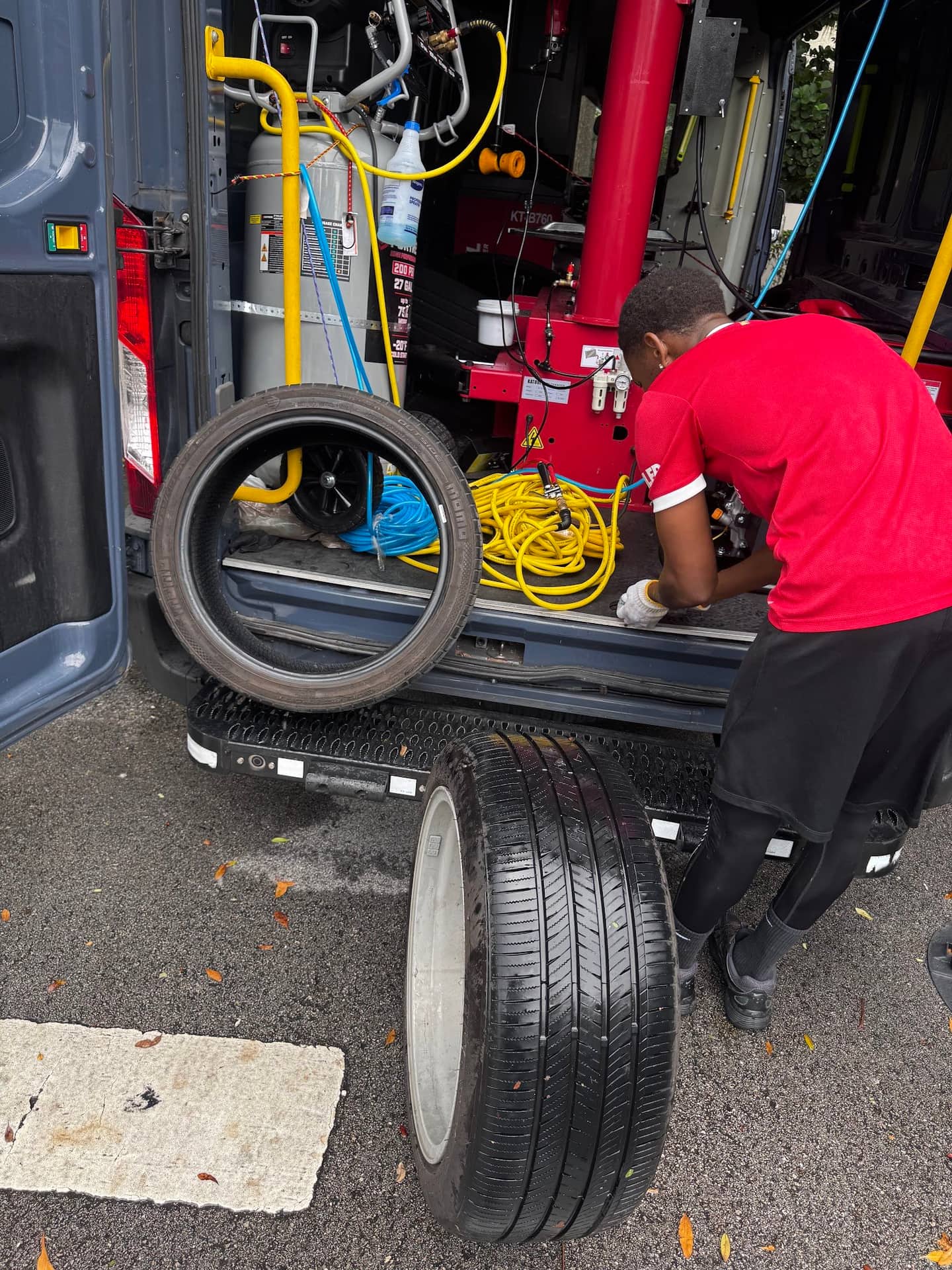
Most tire warranties require rotation. Skip it and you not only wear front tires twice as fast as rears (on FWD cars), you also void the warranty. Wheel Rush offers mobile tire rotation at your driveway or office.
3. Park in Shade Whenever Possible
UV is the silent killer of tire sidewalls. Two cars driven identical miles for 5 years — one parked in the garage, one parked in the driveway in full Miami sun — will look very different at the sidewall. Garage parking, carports, and tire shades for outdoor parking all extend life.
4. Don’t Run Tires Past the DOT Date
Even if a tire has 90% tread left, the rubber compound degrades with age. Most manufacturers list a 6-year ride-on / 10-year max age guideline. Check the DOT date on the sidewall — the last four digits of the DOT code are the week and year of manufacture.
5. Fix Slow Leaks Early
A tire driven repeatedly at 5–10 PSI below spec for weeks at a time builds heat that damages the inner liner. By the time you notice a real problem, the tire may not be repairable anymore. Wheel Rush diagnoses slow leaks on-site — usually a valve stem, valve core, or bead issue that’s quick to fix if you catch it early.
6. Pay Attention to Wear Patterns
- Center wear = overinflation
- Edge wear (both sides) = underinflation
- One edge worn = alignment issue
- Cupping or scalloped wear = suspension issue (shocks, tie rods, ball joints)
We flag this on every rotation visit — you’ll know early if there’s a non-tire problem worth fixing.
7. Match Tires to How You Actually Drive
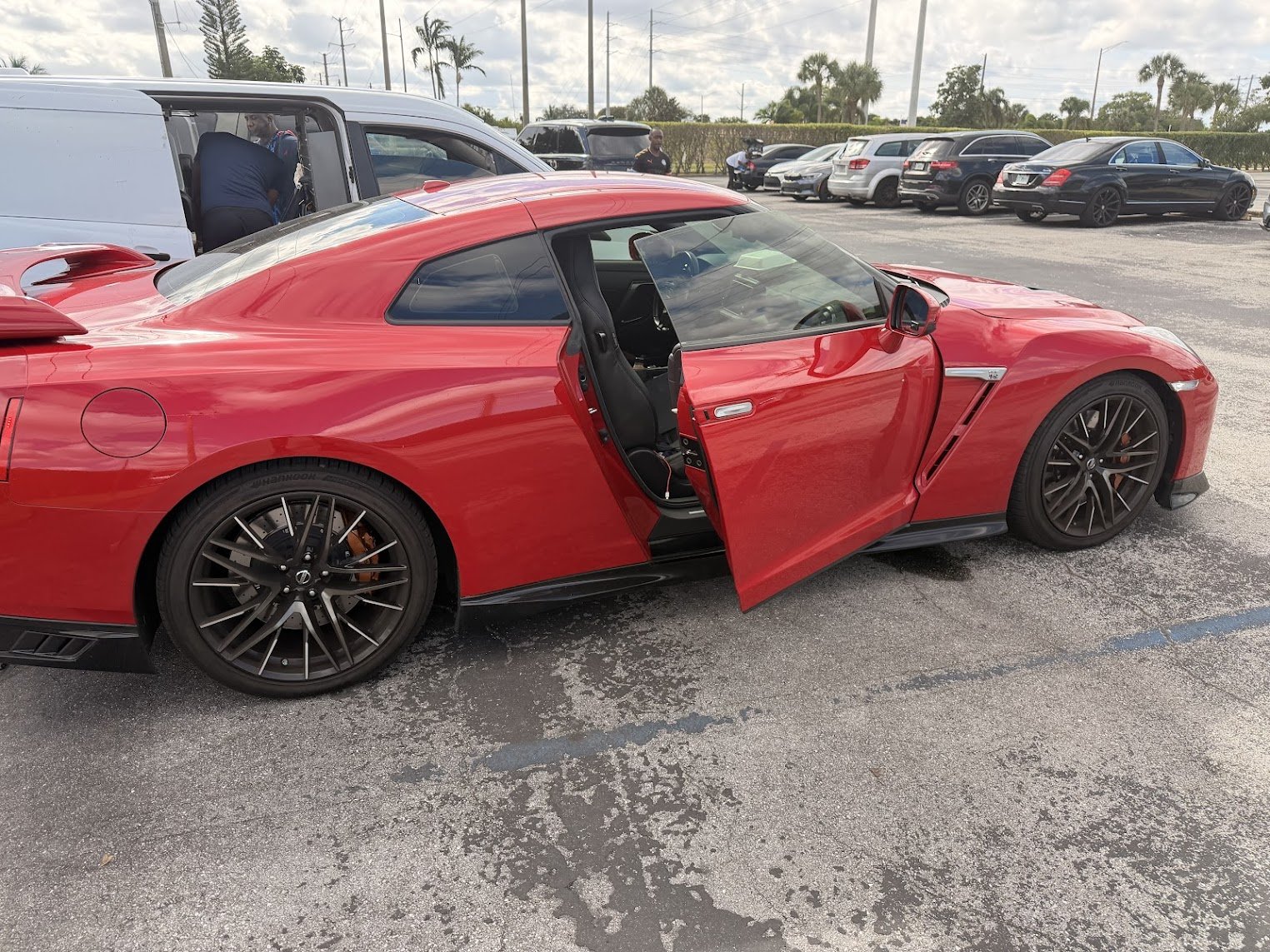
A high-performance summer tire on a Miami commuter is wasted money — you’ll grip the wet road less, lose ride comfort, and burn through the tread early. An all-season or all-weather tire is the right choice for almost every South Florida driver. We’ll help you pick when it’s time to replace.
Bottom Line
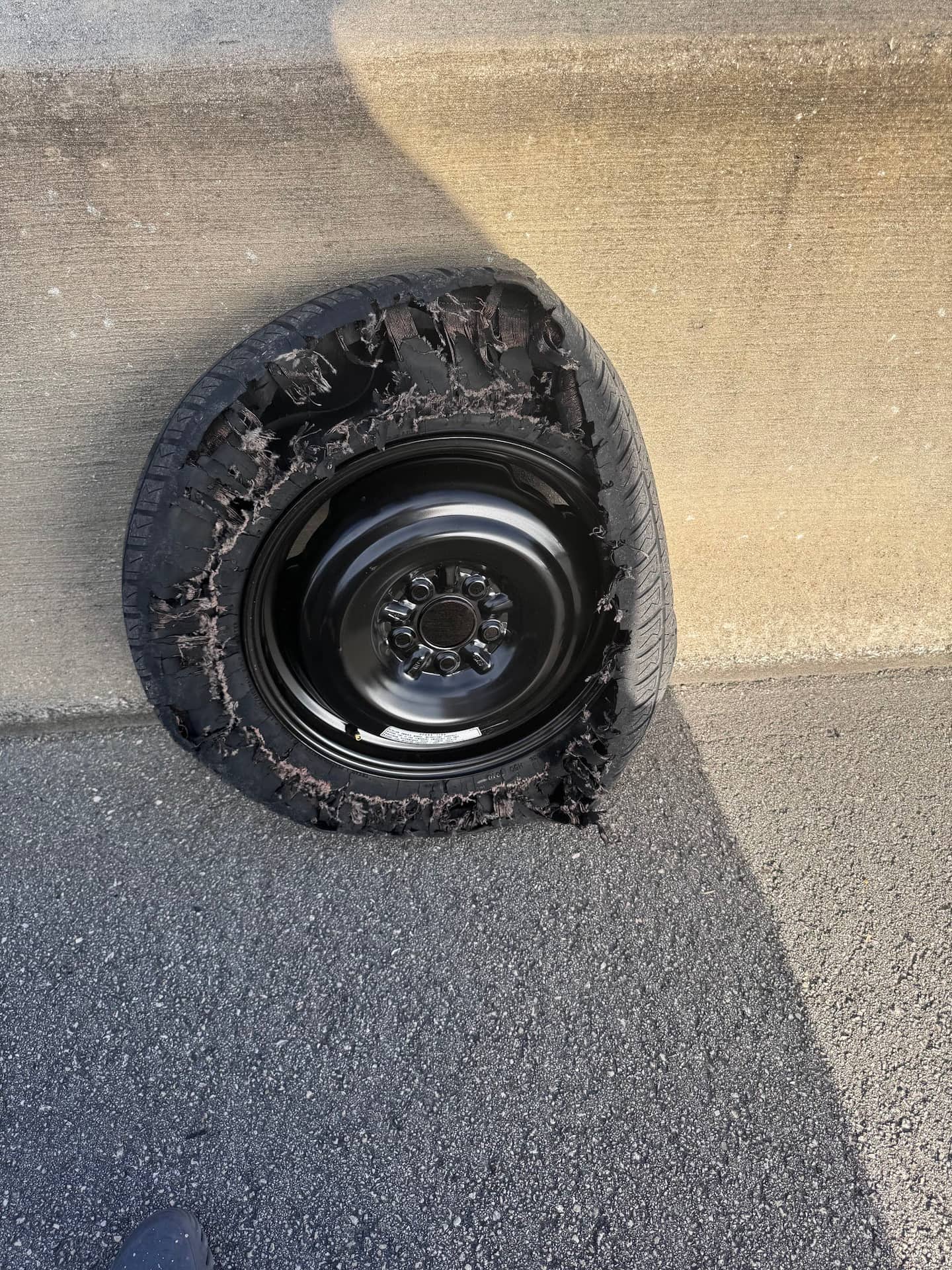
Tires last longer when they’re properly inflated, rotated on time, and replaced before they age out — not after a blowout strands you on the Turnpike. Wheel Rush can do everything in this article at your driveway, including rotations, inflation, slow-leak diagnosis, and full replacement when it’s time.
Call (305) 897-7030 to schedule.
Need help right now?
We're one call away in Miami-Dade & Broward County.